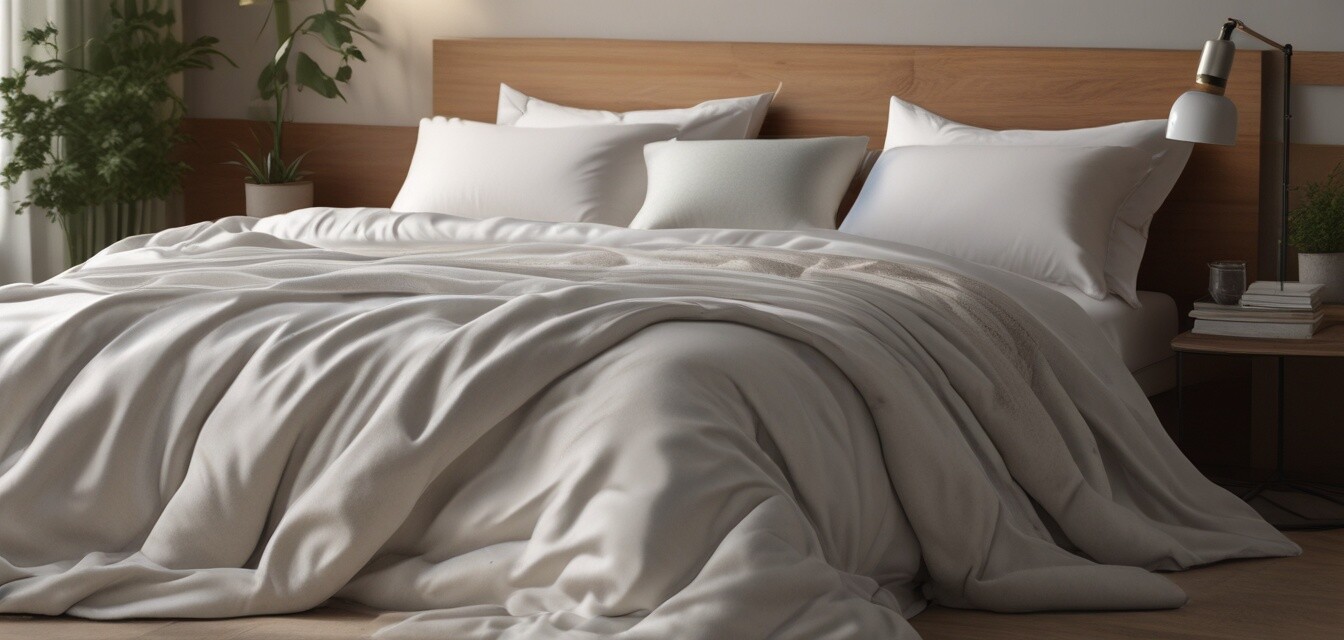
Innovations in Bedding Materials: A Look Ahead
Key Takeaways
- The bedding industry is increasingly focused on sustainability and innovation.
- Emerging materials include organic textiles, recycled fabrics, and smart technologies.
- Consumer preferences are shifting towards eco-friendly and high-performance options.
- By 2025, we can expect greater availability and variety in sustainable bedding products.
As we approach 2025, the bedding industry is transforming rapidly with new innovations that marry sustainability with performance. Consumers are more conscious than ever about their purchasing choices, fueling a demand for eco-friendly materials that do not compromise on comfort and quality. This article will delve into the upcoming trends and innovations in bedding materials that promise to change the way we sleep.
1. The Rise of Organic Textiles
Organic textiles are increasingly making waves in the bedding market due to their minimal environmental impact. These fabrics are made from organic cotton, bamboo, and hemp, which are grown without the use of synthetic pesticides and fertilizers. The advantages of organic textiles include:
- Reduced chemical exposure for consumers.
- Better soil health and sustainable farming practices.
- Higher breathability and comfort compared to traditional fabrics.
Benefits of Organic Bedding
| Organic Textile | Benefits |
|---|---|
| Organic Cotton | Soft, breathable, and hypoallergenic. |
| Bamboo | Natural moisture-wicking and antimicrobial properties. |
| Hemp | Durable, UV-resistant, and low maintenance. |
2. Recycled Materials in Bedding
With the growing emphasis on sustainability, many manufacturers are turning to recycled materials to reduce their environmental footprint. Items such as sheets and pillows made from recycled plastics or textiles are becoming more common. Here are some notable attributes:
- Reduction of waste in landfills.
- Conserves natural resources by repurposing existing materials.
- Often produced with eco-friendly processes.
Examples of Recycled Materials
| Material | Source | Application |
|---|---|---|
| Recycled Polyester | Plastic bottles and textiles | Pillow covers, sheets |
| Recycled Cotton | Leftover cotton scraps | Mattress padding |
3. Embracing Smart Technology
As technology advances, we are seeing the incorporation of smart technologies into bedding products, allowing for enhanced sleep experiences. Smart mattresses, like those that adapt to body temperature, are just the beginning. Key features include:
- Sleep monitoring through embedded sensors.
- Adjustable firmness levels for personalized comfort.
- Smart home integration for optimal environmental control.
Impact of Smart Technology on Sleep
| Feature | Description |
|---|---|
| Temperature Regulation | Maintains a comfortable sleeping environment. |
| Sleep Tracking | Provides insights into sleep patterns and quality. |
4. A Shift in Consumer Preferences
Today's consumers are becoming increasingly selective, often opting for brands that prioritize transparency and sustainability. Shifts observed include:
- Preference for eco-labels and certifications.
- Demand for clear communication regarding sourcing and manufacturing processes.
- Increased interest in the life cycle and recyclability of products.
To stay ahead, brands must ensure that their marketing aligns with these burgeoning consumer values. If you're interested in deeper insights into the bedding industry, be sure to check out our news and trends blog, where we cover emerging innovations extensively.
5. Anticipating the Future
As we look forward to 2025, it is clear that the bedding materials landscape is set to evolve dramatically. Eco-friendly technologies will continue to advance, with new materials and sustainable practices gaining prominence. Consumers will likely enjoy more choices without sacrificing comfort or quality.
Pros
- Innovative materials enhance comfort and sustainability.
- Consumer awareness brings more eco-conscious products to market.
- Smart technologies can improve sleep experiences.
Cons
- Higher price points for sustainable options.
- Limited availability of eco-friendly products in some regions.
In conclusion, as we explore the future of bedding materials, it's essential to acknowledge the growing importance of sustainability and performance. The merging of eco-friendly practices with innovation assures that comfort, quality, and environmental responsibility are at the forefront of the bedding industry.
Tips for Choosing Eco-Friendly Bedding
- Research product certifications for organic and eco-friendly materials.
- Check for brands that employ sustainable manufacturing practices.
- Choose multi-purpose items that can reduce the need for multiple purchases.