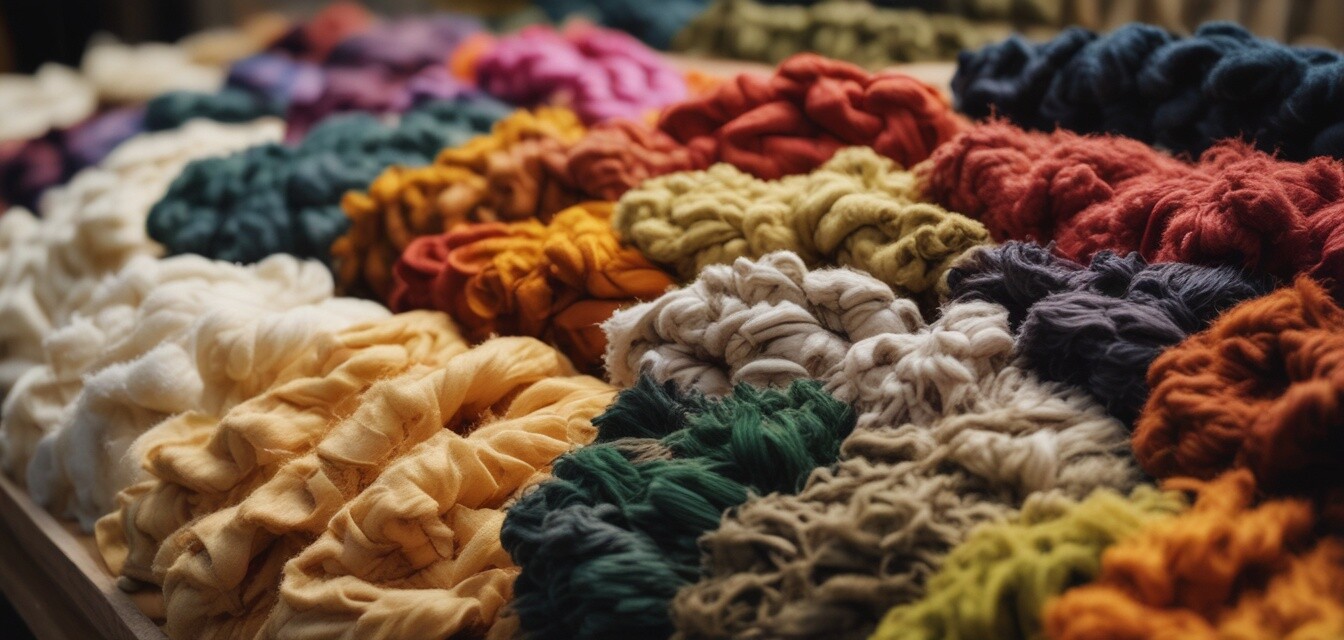
Natural Dyes for Bedding
Key Takeaways
- Natural dyes are eco-friendly alternatives to synthetic dyes in bedding.
- They offer a variety of colors derived from plants, insects, and minerals.
- Using natural dyes can enhance the sustainability of bedding products.
- Natural dyes are often safer for sensitive skin and the environment.
- Brands that utilize natural dyes contribute to a healthier planet.
The use of natural dyes in bedding is gaining traction as consumers become more aware of the environmental impact of their purchasing decisions. Eco-friendly bedding products dyed with natural substances not only look beautiful but also contribute to a more sustainable future. In this article, we will explore the importance of natural dyes, their benefits, and how they are changing the bedding industry.
What are natural dyes?
Natural dyes are colorants made from natural sources such as plants, minerals, and insects. Unlike synthetic dyes, which are chemically derived, natural dyes are biodegradable and often non-toxic. This makes them an attractive option for eco-conscious consumers.
Sources of natural dyes
| Source | Color | Example |
|---|---|---|
| Plants | Various (e.g., green, yellow, brown) | Indigo, madder root |
| Minerals | Earth tones | Ochre, clay |
| Insects | Red, purple | Cochineal |
| Fungi | Gray, brown | Fungal dyes |
Why natural dyes matter in bedding
Choosing bedding dyed with natural dyes is important for several reasons:
- Environmental impact: Natural dyes are less harmful to the environment compared to synthetic dyes, which can contaminate water sources during manufacturing.
- Health benefits: Natural dyes are often better for sensitive skin, reducing the risk of allergic reactions and skin irritations.
- Sustainability: Bedding products made with natural dyes are typically produced using sustainable practices, promoting a circular economy.
How natural dyes are made
The process of making natural dyes involves extracting color from the source material. Here’s a general overview:
- Harvesting: Collect the natural materials, such as plants or insects.
- Preparation: Prepare the materials, typically by drying or grinding.
- Extraction: Boil the materials in water to release the color.
- Dyeing: Soak the fabric in the dye bath, allowing it to absorb the color.
- Fixing: Use mordants (substances that fix the dye) to ensure the color adheres to the fabric.
The benefits of using natural dyes in bedding
Natural dyes offer several advantages:
Pros
- Eco-friendly and biodegradable.
- Safer for sensitive skin.
- Unique, vibrant colors.
- Supports sustainable farming practices.
- Contributes to a healthier planet.
Cons
- Colors may fade over time.
- Can be more expensive than synthetic dyes.
- Availability of colors can vary based on seasons.
Popular natural dyeing techniques
Various techniques are used in the dyeing process. Here are some popular methods:
- Shibori: A Japanese tie-dye technique that creates intricate patterns.
- Eco-Printing: A method that uses direct contact with plant materials to create unique prints on fabric.
- Bundle Dyeing: Involves wrapping fabrics with plant materials and steaming them to transfer color.
Choosing eco-friendly bedding
When selecting bedding, it's essential to consider the dyes used in the fabric. Look for labels that indicate the use of natural dyes and sustainable materials. Here are some tips:
Tips for choosing eco-friendly bedding
- Research brands that prioritize sustainability.
- Check for certifications such as GOTS (Global Organic Textile Standard).
- Opt for bedding made from organic cotton or linen.
- Read product descriptions to ensure natural dyes are used.
Conclusion
Natural dyes are a vital aspect of eco-friendly bedding, providing an attractive and sustainable alternative to synthetic dyes. By choosing bedding dyed with natural substances, consumers can contribute to a healthier environment and enjoy beautiful, vibrant colors in their homes. Explore our [eco-friendly bedding sets](/products/eco-friendly-bedding-sets) to find options that align with your values!
Further reading
For more insights on sustainable sleep products, check out our other articles on: