Sustainable Materials
Key takeaways
- Understanding sustainable materials is essential for choosing eco-friendly bedding.
- Common sustainable materials include organic cotton, linen, hemp, and Tencel.
- Investing in eco-friendly products can contribute to a healthier sleep environment.
- Choosing the right materials promotes both personal well-being and environmental sustainability.
The importance of sustainable materials in bedding cannot be overstated. As we strive for a healthier sleep environment, understanding what constitutes eco-friendly bedding can lead us to make better choices that benefit both our health and the planet. In this article, we will delve into various sustainable materials, their benefits, and how to identify them when purchasing bedding. Let’s explore the fascinating world of sustainable materials!
What are sustainable materials?
Sustainable materials are those that are sourced, manufactured, and processed in ways that minimize their impact on the environment. They are often renewable, recyclable, or biodegradable, making them a perfect choice for eco-conscious consumers.
Common sustainable materials used in bedding
1. Organic Cotton
Organic cotton is grown without synthetic fertilizers or pesticides, making it a healthier option for both the environment and the consumers. Here’s a quick comparison of organic and conventional cotton:
| Aspect | Organic Cotton | Conventional Cotton |
|---|---|---|
| Farming Practices | Grown without synthetic chemicals | Often treated with pesticides and fertilizers |
| Environmental Impact | Lower impact on soil and water | Higher pollution and soil degradation |
| Health Benefits | Safer for sensitive skin | Can irritate skin due to chemical residues |
2. Linen
Linen is made from flax plants, which require less water and pesticides than other crops. It is naturally durable and becomes softer with each wash.
3. Hemp
Hemp fibers are known for their strength and durability. Hemp is fast-growing and can thrive in poor soil, making it an excellent sustainable option.
4. Tencel
Tencel is derived from sustainable wood sources and processed in a closed-loop system, minimizing waste and chemicals. It is soft, breathable, and biodegradable.
Benefits of choosing sustainable bedding materials
- Promotes environmental sustainability
- Reduces exposure to harmful chemicals
- Enhances overall comfort and sleep quality
- Supports ethical farming practices
How to identify sustainable bedding products
When shopping for bedding, look for the following certifications to ensure you're choosing sustainable options:
- Global Organic Textile Standard (GOTS) - certifies that materials are organic and sustainable.
- OEKO-TEX® - ensures that textiles are free from harmful substances.
- Fair Trade Certified - promotes ethical working conditions.
- Sustainable Forestry Initiative (SFI) - guarantees responsible forest management for wood-based products.
Eco-friendly bedding products
Consider exploring our recommended categories of eco-friendly bedding products:
- Biodegradable sleep products
- Eco-conscious pillows
- Eco-friendly bedding sets
- Natural sleep aids
- Organic mattresses
- Recycled bedroom accessories
- Sustainable sleepwear
Key considerations for choosing sustainable materials
When selecting materials for your bedding, consider the following:
Tips for Beginners
- Research the brands and materials before making a purchase.
- Look for transparency in sourcing and manufacturing.
- Be mindful of your personal preferences regarding softness and texture.
- Consider the lifecycle of the product and its environmental impact.
Conclusion
Choosing sustainable materials for your bedding not only contributes to a healthier sleep environment but also supports environmental sustainability and ethical practices. The importance of sustainable materials continues to grow as we become more conscious of the impact our choices have on the planet. By incorporating eco-friendly materials into our sleep experience, we can enhance our well-being while preserving nature for future generations. Take the first step towards a more eco-conscious lifestyle by investing in sustainable bedding products today.
Pros
- Promotes environmental sustainability
- Good for sensitive skin
- Durable and long-lasting
- Made from renewable resources
Cons
- May be more expensive than conventional options
- Availability can be limited
- Some sustainable materials may require more care
Additional Resources
For further information on sustainable bedding, check out these helpful pages:
- Biodegradable sleep products
- Eco-conscious pillows
- Eco-friendly bedding sets
- Natural sleep aids
- Organic mattresses
Visual Inspiration
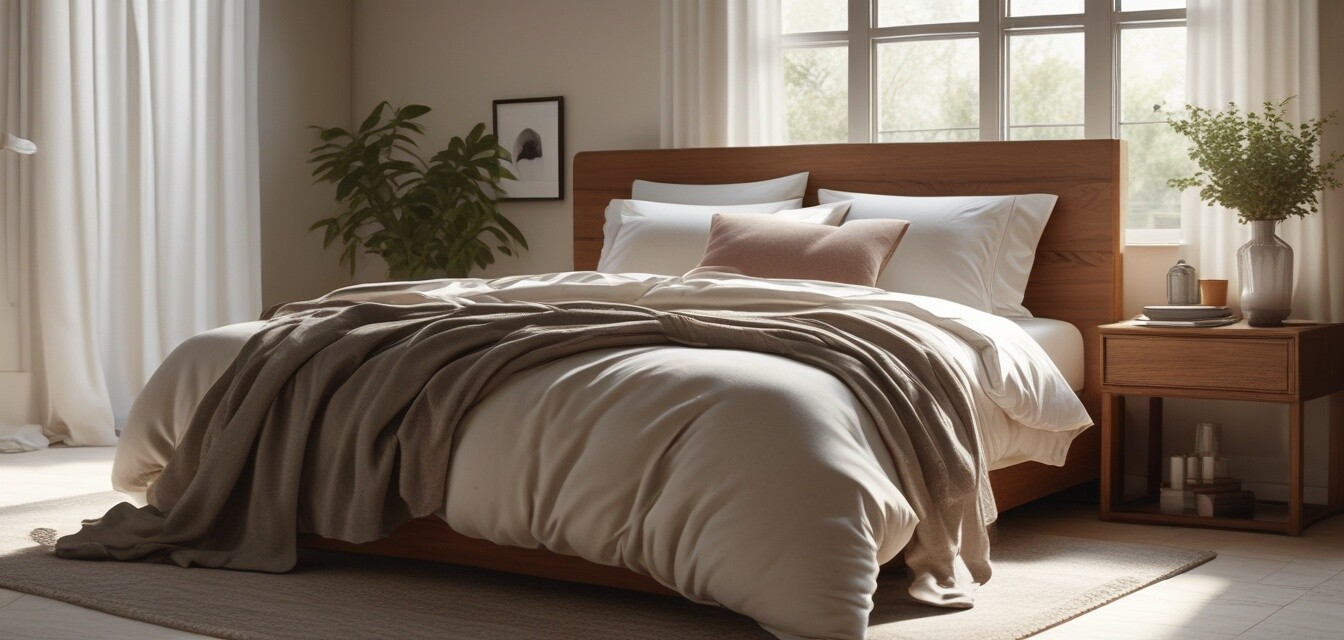
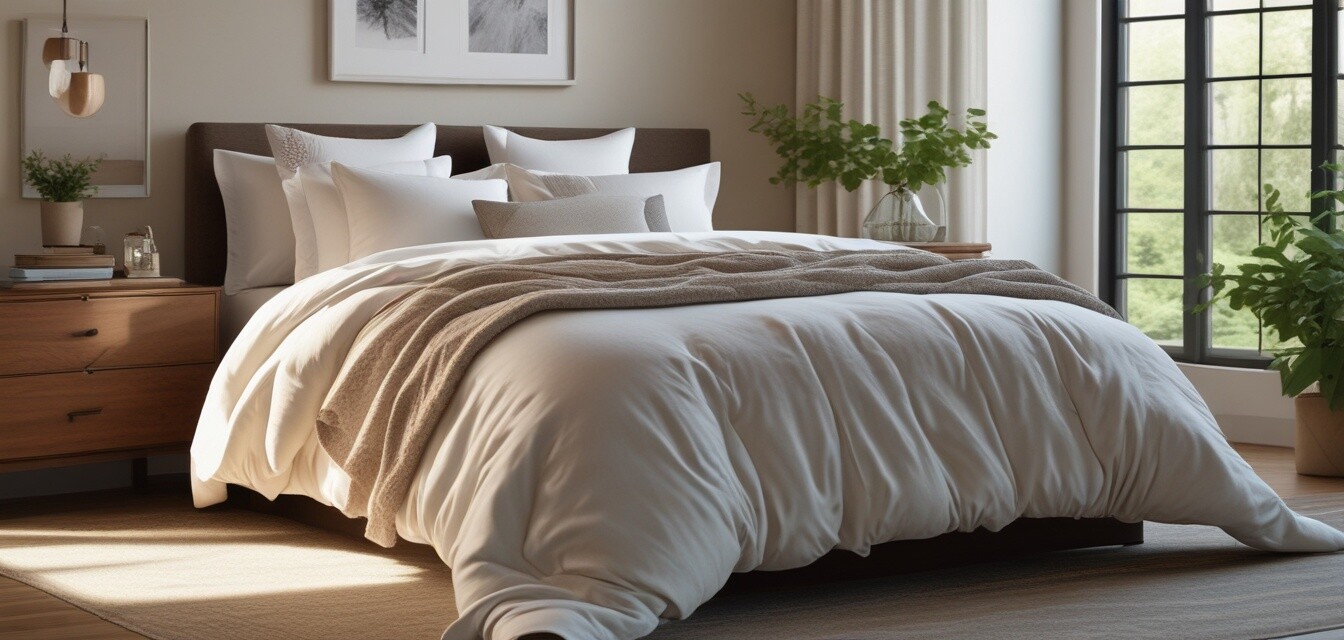
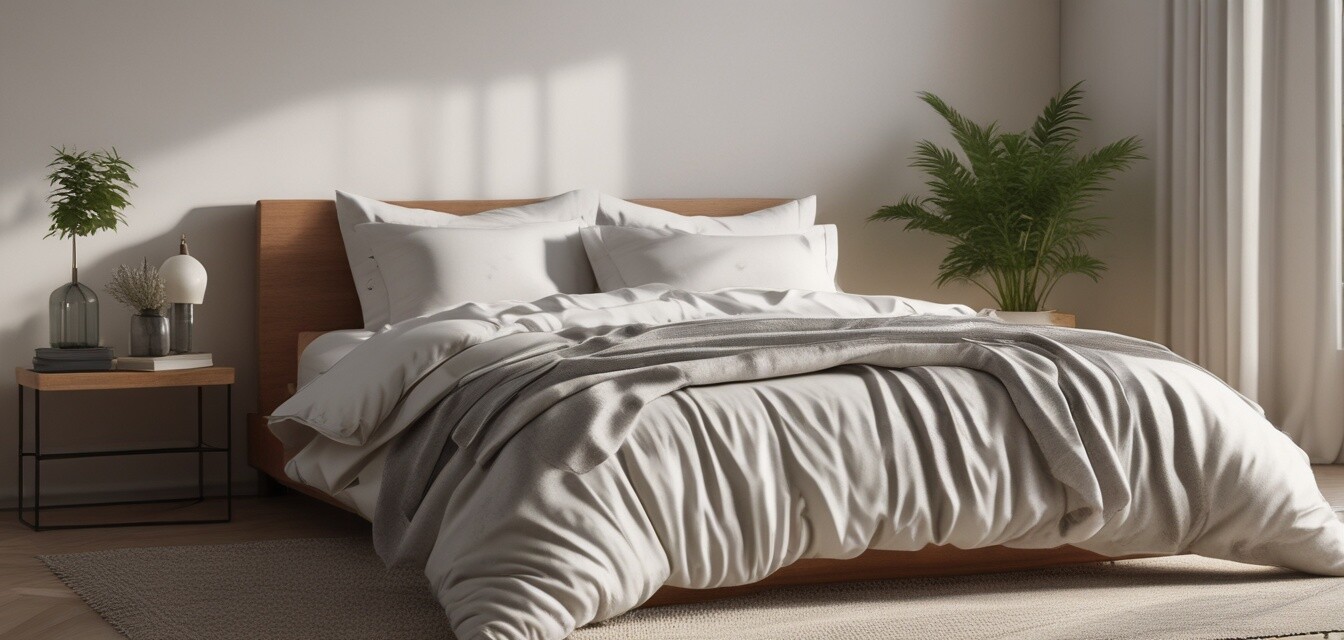
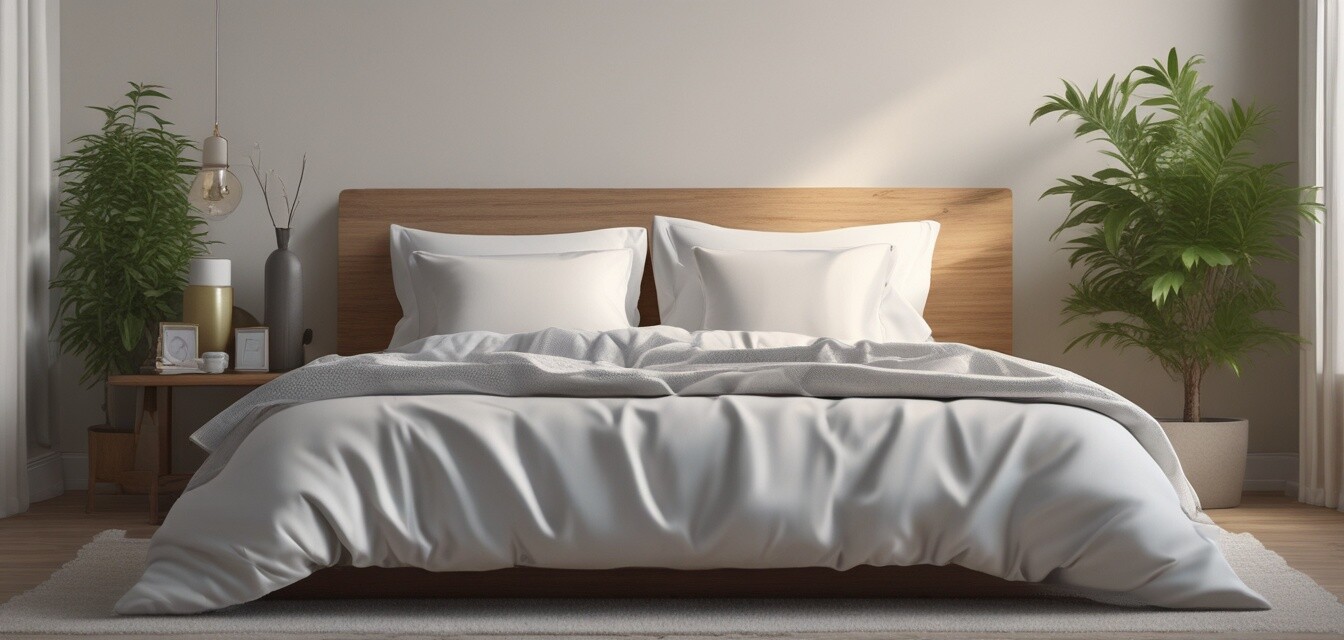
Here are some visual inspirations to help you envision sustainable bedding in your space: