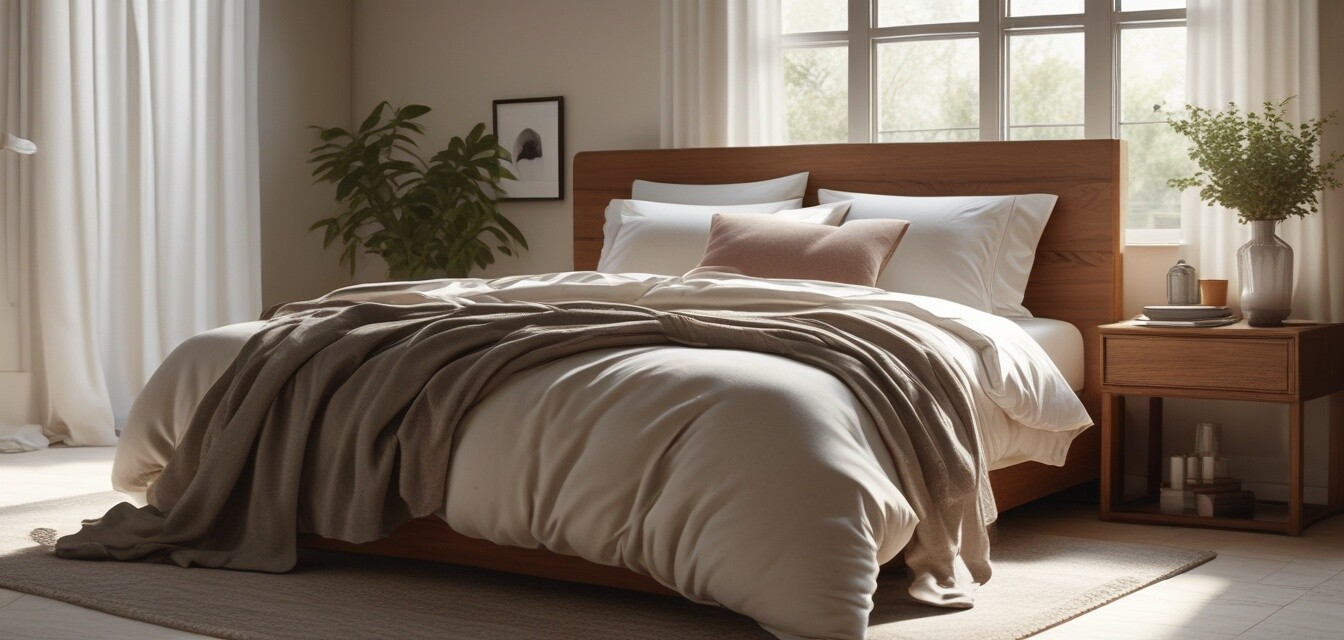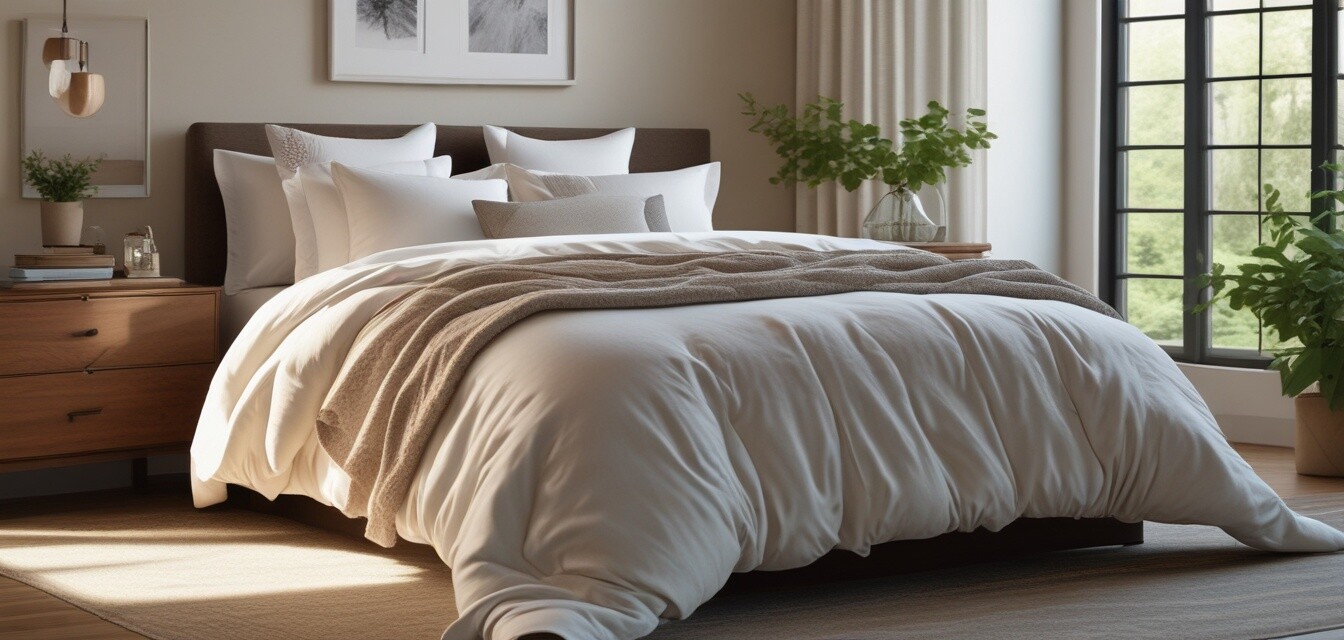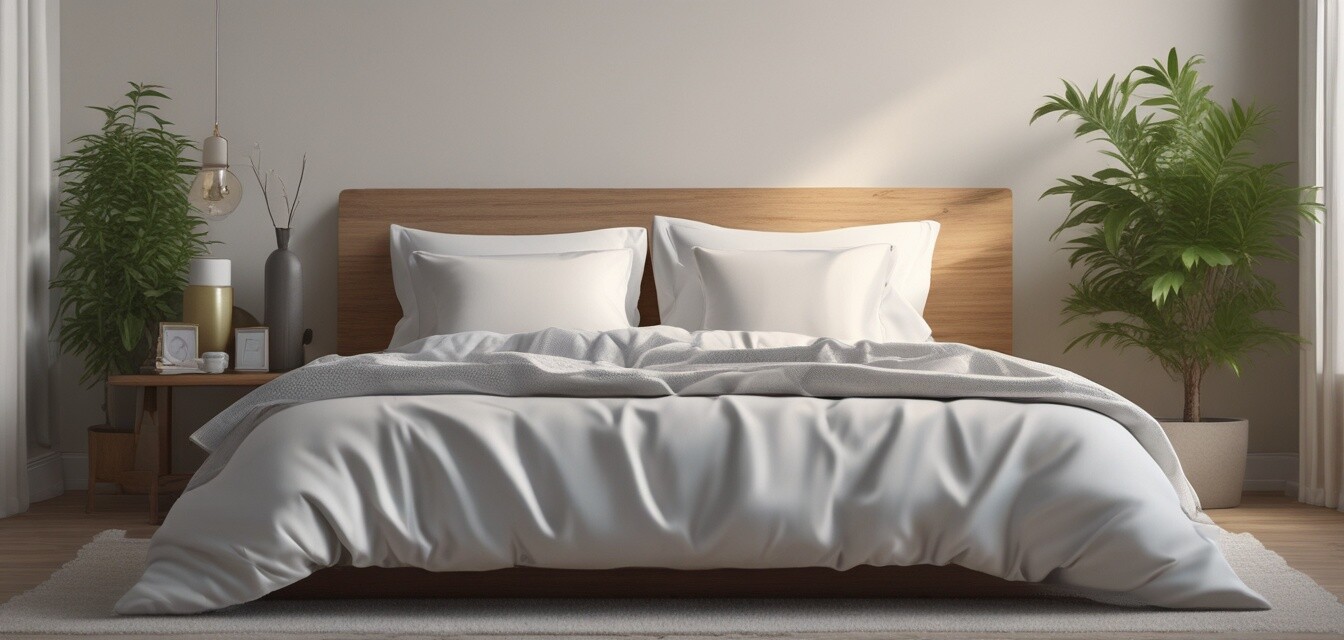
Recycled Bedding Products
Key Takeaways
- Recycled bedding products offer a sustainable alternative to traditional materials.
- Using recycled fabrics reduces waste and promotes eco-friendliness.
- Benefits include comfort, durability, and support for a greener planet.
- Explore various recycled bedding options, including fills and fabrics.
As more individuals seek sustainable living, the demand for eco-friendly products has surged. Bedding made from recycled materials is not only a responsible choice but also provides comfort and durability. This article explores the options and benefits of using recycled materials in bedding products, including fills and fabrics.
What are recycled bedding products?
Recycled bedding products are those made from materials that have been repurposed from post-consumer waste or manufacturing by-products. This includes fabrics and fills that have been reprocessed and transformed into new bedding items. By choosing recycled bedding, you contribute to a reduction in landfill waste and support sustainable practices in the textile industry.
Benefits of using recycled bedding products
- Environmental impact: Reduces waste and conserves resources.
- Durability: Many recycled materials are designed to withstand wear and tear.
- Comfort: Recycled fabrics can be soft and breathable.
- Affordability: Often competitively priced compared to traditional bedding.
Types of recycled bedding materials
Let's take a closer look at the various types of recycled materials used in bedding products:
| Material | Description | Common Products |
|---|---|---|
| Recycled polyester | Made from discarded plastic bottles, this material is durable and moisture-wicking. | Sheets, pillowcases, and duvet covers |
| Recycled cotton | Repurposed cotton fibers that provide softness and breathability. | Blankets, comforters, and quilts |
| Recycled down | Down feathers sourced from used products, offering warmth and comfort. | Pillows and comforters |
| Recycled wool | Wool fibers that have been reprocessed, providing insulation and natural moisture management. | Mattress toppers and blankets |
How to choose recycled bedding products
When selecting recycled bedding, consider the following factors:
- Certifications: Look for certifications that verify sustainability claims.
- Comfort level: Test the feel of the material to ensure it meets your comfort needs.
- Durability: Check reviews and product lifespan to ensure quality.
- Brand values: Research brands that prioritize eco-friendly practices.
Popular recycled bedding brands
Several brands have emerged as leaders in the recycled bedding market. They are known for their commitment to sustainability and quality:
- Eco-Friendly Bedding Sets
- Nectar Sleep Products
- Organic Mattresses
- Sustainable Sleepwear
- Serta Mattress
Key considerations for purchasing recycled bedding
Before making a purchase, consider these essential aspects:
Tips for beginners
- Start small: Try a pillow or blanket made from recycled materials before committing to larger items.
- Read product labels carefully to understand the recycling process and material composition.
- Compare prices among different brands to find the best value.
- Ask for samples if possible to assess comfort and quality.
Conclusion
Recycled bedding products present a fantastic opportunity to enhance your sleep environment while caring for the planet. With a wide range of options available, you can find comfortable and stylish bedding that aligns with your values. By choosing recycled materials, you contribute to a more sustainable future. Explore your options today and experience the benefits of eco-friendly bedding!
Pros
- Sustainable choice that reduces environmental impact.
- Often made with soft, high-quality materials.
- Available in a variety of styles and colors.
- Helps promote a circular economy.
Cons
- May be harder to find than traditional bedding.
- Some recycled materials may have a higher initial cost.
- Limited availability of certain styles or colors.
Additional Resources
For more information on eco-friendly sleep solutions, check out our articles on Nectar Sleep Products, Organic Mattresses, and Sustainable Sleepwear.