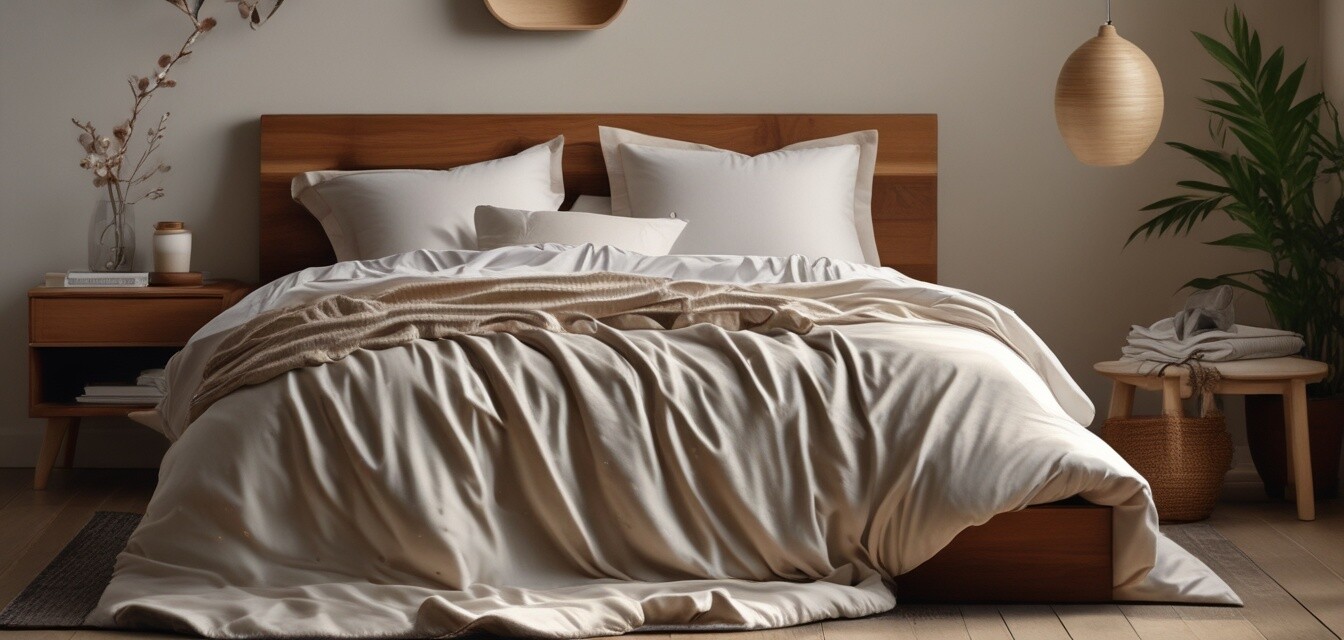
2025 Trends in Eco-Friendly Bedding: What's New?
Key Takeaways
- Eco-friendly materials are increasingly favored by consumers.
- Innovative technologies are enhancing the comfort and sustainability of bedding.
- Personalization in bedding options is a growing trend in consumer preferences.
- Transparency in manufacturing and sourcing is crucial for modern consumers.
- Sleep wellness products are integrating eco-friendly practices.
As we move closer to 2025, the eco-friendly bedding industry is experiencing remarkable innovations and shifts in consumer preferences. Today's environmentally conscious consumers are not only considering comfort but are also deeply invested in sustainability, ethical sourcing, and the overall impact of their purchases on the planet. In this article, we'll explore the most exciting trends shaping the future of eco-friendly bedding.
1. Rising demand for sustainable materials
The first trend to watch is the increasing demand for sustainable materials used in bedding. Consumers are becoming more educated about the benefits of materials that are not only good for their health but also for the environment. Here are some of the most popular eco-friendly materials:
| Material | Description | Benefits |
|---|---|---|
| Organic Cotton | Cotton grown without synthetic pesticides and fertilizers | Soft, breathable, hypoallergenic |
| Bamboo | A fast-growing plant that is biodegradable | Naturally antibacterial, moisture-wicking |
| Hemp | A durable plant fiber that requires minimal water | Strong, mold-resistant, and biodegradable |
| Recycled Materials | Fabrics made from post-consumer plastic waste | Reduces landfill waste and energy consumption |
2. Innovative bedding technologies
With advancements in technology, eco-friendly bedding is evolving in terms of comfort and functionality. Innovative technologies help improve the overall sleep experience while being environmentally responsible. A few emerging technologies include:
- Cooling fabrics: New technologies in fabric treatment help regulate temperature, ensuring a comfortable sleep environment.
- Smart textiles: Some bedding products are now integrated with sensors to monitor sleep patterns and overall comfort.
- Biodegradable materials: Innovations in biodegradable materials offer a conscious choice for consumers concerned about their footprints.
3. Customization and personalization
The desire for personalization is driving change within the eco-friendly bedding industry. Consumers are increasingly looking for options that cater to their specific needs and preferences. This trend includes:
- Customized pillow options that account for individual sleep positions.
- Personalized mattress firmness and support levels based on body types.
- Made-to-order bedding sets featuring unique fabric choices and patterns.
4. Emphasis on transparency
A significant trend in the eco-friendly bedding market is the push for transparency. Consumers are demanding more information about where their products come from and how they are made. Key areas of focus include:
- Ethical sourcing practices, including fair labor conditions.
- Traceability of materials from farm to factory to consumer.
- Clear labeling regarding the ecological impacts of products.
5. The rise of sleep wellness products
As the focus on wellness continues to grow, so too does the interest in sleep wellness products. Eco-friendly enhancements in this sector promote better sleep habits through:
- Essential oil-infused pillows and bedding that naturally promote relaxation.
- Products that integrate calming colors and textures, creating a peaceful sleep environment.
- Tools and resources for sleep tracking and improvement, promoting informed consumer choices.
Conclusion
The eco-friendly bedding market is evolving rapidly, reflecting new technologies and shifting consumer preferences. As we look toward 2025, we can anticipate a greater emphasis on sustainability, personalization, and wellness in bedding products. Stay informed on these trends as they develop, shaping the way we sleep and contributing to a healthier planet.
Pros
- Increased comfort and performance of bedding materials.
- Positive impact on the environment with sustainable practices.
- Options for personalization that cater to various sleep needs.
Cons
- Higher costs associated with eco-friendly products.
- Misleading marketing claims from some brands.
- Limited availability in certain markets.
For more insights on eco-friendly options, check out our guides on buying eco-friendly bedding and recommendations for organic mattresses. Keep an eye on our category for news and trends to stay updated!