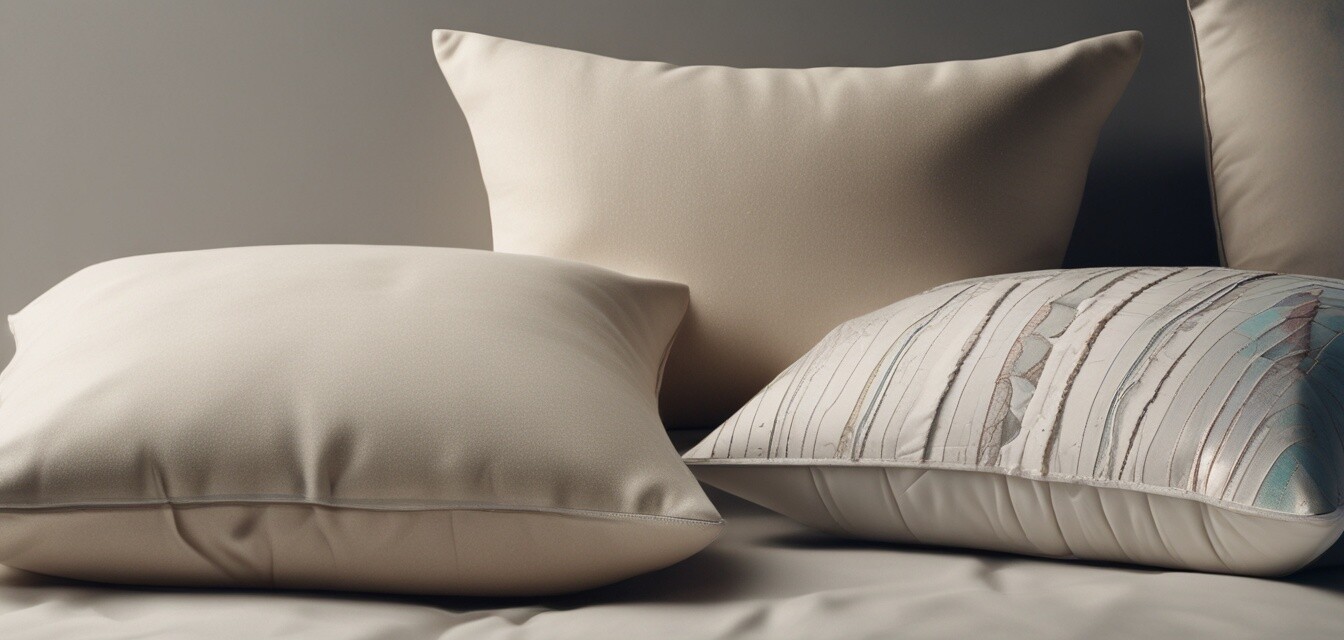
How to Select Eco-Friendly Pillows: A Comprehensive Guide
Selecting an eco-friendly pillow is a crucial step in enhancing your sleep environment. With various materials available, understanding your options can lead to better sleep and a healthier planet. This guide will walk you through different types of eco-friendly pillows, their benefits, and what to look for when making a selection.
- Choose pillows made from natural materials like organic cotton, bamboo, and latex.
- Look for certifications to ensure sustainability and safety.
- Consider the pillow's support and comfort based on your sleep position.
- Be aware of maintenance and care requirements for eco-friendly pillows.
- Select pillows that align with your personal values and health needs.
Understanding Eco-Friendly Pillows
Eco-friendly pillows are an essential component of a sustainable bedding environment. Unlike traditional pillows made from synthetic materials, eco-friendly options are crafted from natural resources that minimize environmental impact. Here are some key materials commonly used in eco-friendly pillows:
| Material | Description | Benefits |
|---|---|---|
| Organic Cotton | Farming practices that avoid synthetic fertilizers and pesticides. | Soft, breathable, and hypoallergenic. |
| Bamboo | Fast-growing grass, naturally pest-resistant. | Moisture-wicking, antimicrobial, and biodegradable. |
| Natural Latex | Derived from rubber tree sap, sustainably harvested. | Durable, supportive, and resistant to dust mites. |
| Wool | Natural fiber from sheep, often minimally processed. | Temperature-regulating and moisture-wicking. |
Benefits of Eco-Friendly Pillows
Opting for eco-friendly pillows not only supports a healthier planet but can also enhance your sleep quality. Here are some benefits to consider:
- Healthier Sleep Environment: Natural materials reduce exposure to harmful chemicals often found in synthetic pillows.
- Enhanced Comfort: Many eco-friendly materials like latex and wool provide excellent support and adaptability.
- Sustainability: By choosing eco-friendly options, you contribute to sustainable farming and manufacturing practices.
- Durability: Natural materials often outlast their synthetic counterparts, reducing waste in the long run.
Choosing the Right Eco-Friendly Pillow
When selecting the ideal eco-friendly pillow for your needs, consider the following factors:
1. Sleep Position
Your typical sleep position greatly influences which pillow will work best for you:
- Back Sleepers: A medium-loft pillow that supports the natural curvature of the spine is ideal.
- Side Sleepers: Look for a firmer, higher-loft pillow to fill the gap between the head and the neck.
- Stomach Sleepers: Use a softer, flatter pillow to prevent neck strain.
2. Allergies and Sensitivities
If you have allergies or sensitivities, look for pillows that are hypoallergenic and resist mold, mildew, and dust mites:
- Materials like bamboo and certain types of latex are known to be hypoallergenic.
- Ensure the pillow has certifications like Oeko-Tex or CertiPUR to verify it is free from harmful chemicals.
3. Maintenance and Care
Care requirements can vary significantly among eco-friendly pillows:
- Check the washing instructions; some materials may be machine washable, while others require spot cleaning.
- Consider the longevity of the pillow; natural materials often last longer but may have specific maintenance needs.
Eco-Certifications to Look For
When shopping for eco-friendly pillows, certifications provide an assurance of sustainability and safety. Here are some key certifications to consider:
- Oeko-Tex Standard 100: Ensures the product is tested for harmful substances and is safe for human health.
- Global Organic Textile Standard (GOTS): Certifies that cotton and other materials are organic and produced sustainably.
- CertiPUR-US: Indicates that foams are made without ozone-depleting chemicals and are safe for use.
Where to Buy Eco-Friendly Pillows
You can explore a range of eco-friendly pillows at various online retailers. Here are some resources to consider:
- Organic Mattresses page offers a variety of natural sleep products.
- Check out the DOWNCOOL Large Body Pillow for specific options.
- Look into brands featured at News & Trends for the latest eco-friendly innovations.
Conclusion
Choosing an eco-friendly pillow can significantly enhance your sleep experience while supporting sustainable practices. By understanding different materials, their benefits, and essential considerations for your sleep style, you can find the ideal pillow that meets your needs. For further guidance on eco-friendly products, feel free to explore our Buying Guides.
Pros
- Made from natural, sustainable materials.
- Generally hypoallergenic and healthier for sleep.
- Durable and often longer-lasting than synthetic options.
- Supports sustainable farming practices.
Cons
- Can be more expensive than conventional pillows.
- Some may require special care or handling.
- Availability may vary based on material choice.